Your basket is currently empty!


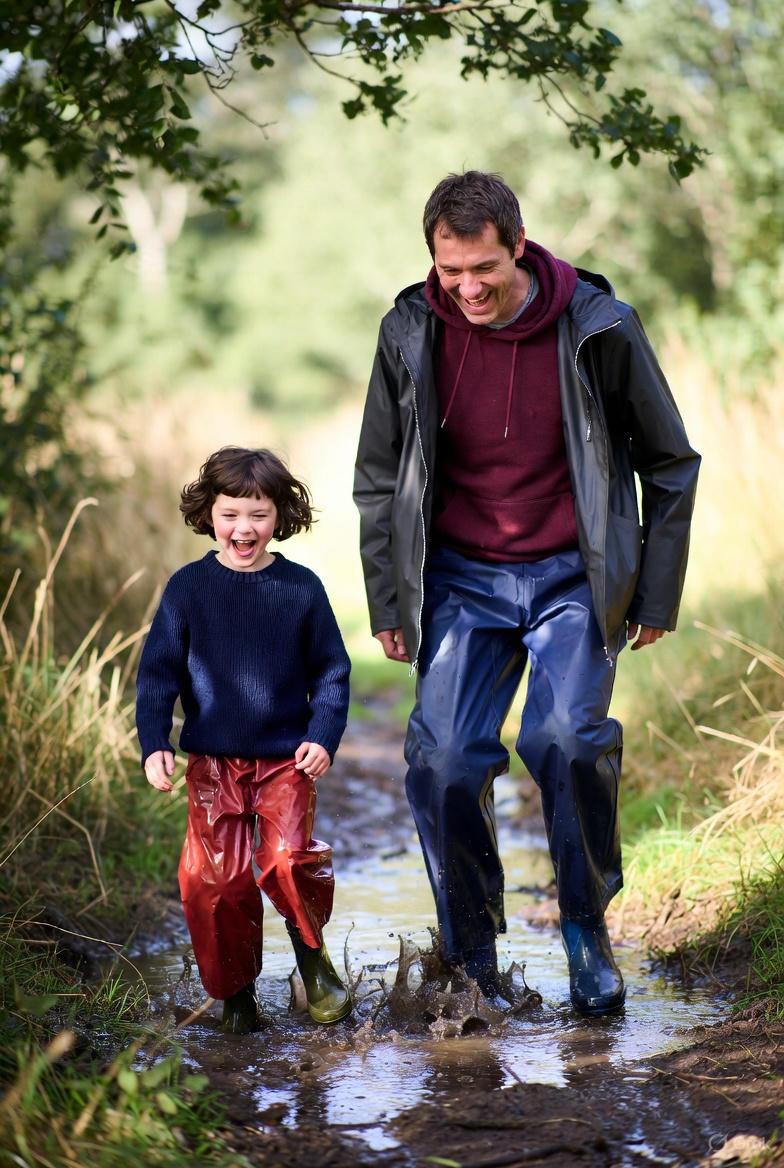
If you are wondering how to calm an overstimulated child, this guide shares 9 gentle, effective strategies to help kids rebuild calm and emotional balance.
In this post, we walk through 9 practical, parent-friendly calming strategies backed by child development insights.
The sudden tears.
The shouting.
The meltdown that seems to come from nowhere.
One minute everything is fine. The next, your child is overwhelmed, dysregulated and unable to cope.
Understanding overstimulation is the first step to calming it.
In this post you will learn:
- What overstimulation looks like in children
- 9 proven calming techniques
- Simple ways to prevent overload before it starts
- How to build emotional regulation skills over time
What Does an Overstimulated Child Look Like?
An overstimulated child is experiencing sensory or emotional overload. Their nervous system is flooded.
Common signs include:
• Irritability or sudden anger
• Covering ears or avoiding light
• Hyperactivity followed by a crash
• Tearfulness over small triggers
• Refusing simple requests
• Physical restlessness
When children become overstimulated, their brain shifts into fight, flight or freeze mode. Logic disappears. Emotional reactions take over.
This is not bad behaviour.
It is a nervous system asking for help.
Why Do Children Become Overstimulated?
Children process more sensory information than adults.
Noise
Screens
Busy classrooms
Social pressure
Bright lights
Transitions
Lack of sleep
All of these can contribute to sensory overload.
An overstimulated child is not being difficult. They are overwhelmed.
1. Reduce Input Immediately
When calming an overstimulated child, the fastest solution is often subtraction.
Lower lights.
Turn off screens.
Reduce noise.
Move to a quieter room or outdoors.
Less input equals less overwhelm.
2. Use Movement to Reset the Nervous System
Gentle physical activity helps regulate stress hormones.
Jumping.
Walking in nature.
Splashing in puddles.
Climbing.
Movement allows the body to release built up tension.
Outdoor play, especially in green spaces, is one of the most powerful natural regulators for children.
3. Lower Your Voice
Children mirror adult nervous systems.
If you speak loudly or quickly, their stress increases.
Slow your voice.
Lower your tone.
Speak fewer words.
Calm is contagious.
4. Offer Deep Pressure
Deep pressure can calm sensory overload.
Hugs
A heavy blanket
Firm hand squeezes
Gentle back pressure
Always follow your child’s cues. Some children want touch. Some need space.
5. Validate Before You Fix
Instead of:
“Calm down.”
Try:
“It looks like everything feels too much right now.”
Validation reduces resistance and helps children feel understood.
6. Create a Calm Down Routine Before It Is Needed
The best way to calm an overstimulated child is to build regulation skills before overload happens.
Try:
• A daily emotional check in
• Bedtime reflection questions
• Drawing feelings
• A structured feelings journal
Giving children language for emotions reduces the intensity of future meltdowns.
If you would like a gentle tool to support emotional awareness, explore our children’s Feelings Journal here:
https://themindfulexplorer.co.uk/product/kids-mindfulness-feelings-journal/
7. Watch for Patterns
Keep track of when overstimulation happens.
Is it after school?
After parties?
After screens?
Patterns reveal triggers.
Once you know the pattern, you can plan for it.
8. Prioritise Sleep
An overtired child has a far lower threshold for sensory overload.
Sleep is emotional regulation’s foundation.
9. Remember It Is Developmental
The brain areas responsible for regulation are still growing.
Learning how to calm an overstimulated child is really about teaching the nervous system resilience.
It takes time.
It takes repetition.
It takes modelling.
When to Seek Extra Support
If sensory overload is extreme, constant or impacting school and relationships, consider speaking with a GP or specialist.
Some children are naturally more sensitive. With the right support, sensitivity becomes strength.
Final Thoughts
Overstimulation is not a parenting failure.
It is a sign your child’s nervous system needs support.
With calm modelling, predictable routines and emotional tools, children learn to regulate more effectively over time.
And those puddle splashing, laughing moments?
They are regulation in action.