Your basket is currently empty!


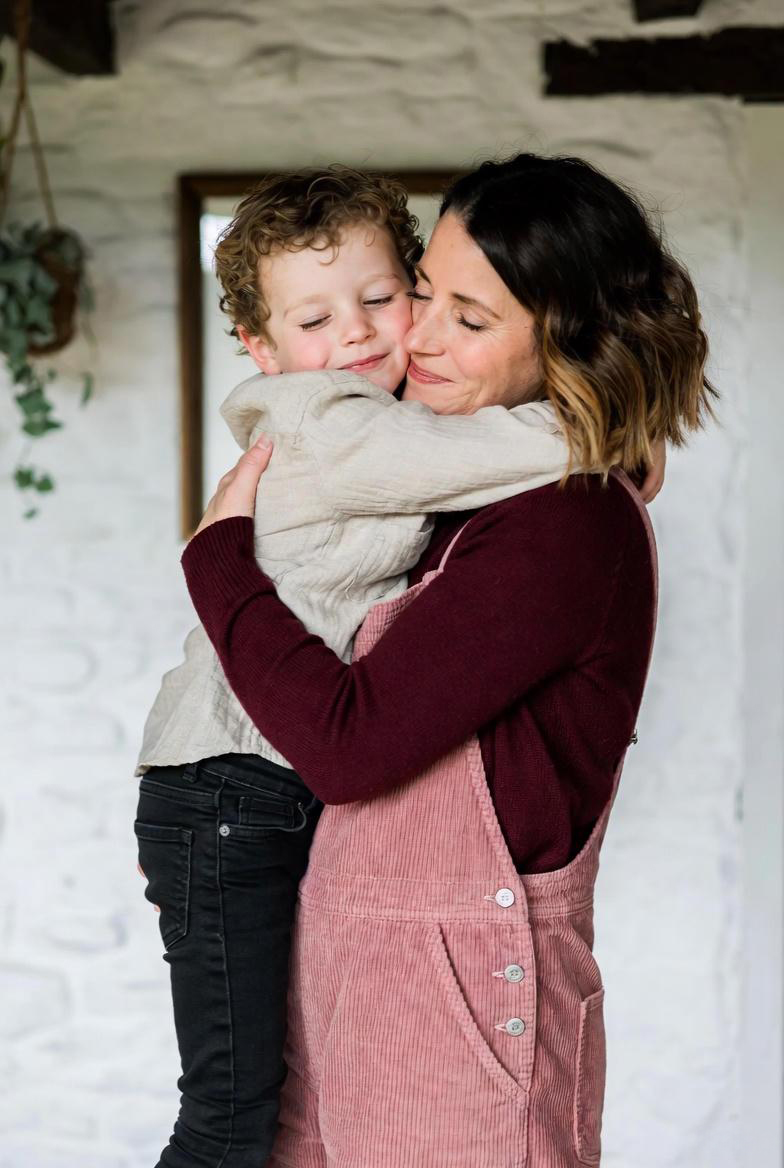
If you’ve ever found yourself thinking, why is my child so emotional?, you are not alone.
One minute they are laughing. The next minute they are crying over the wrong coloured cup. Small frustrations can turn into huge reactions. As a parent, it can feel exhausting and confusing.
But here is something important to understand.
Big emotions are not a sign that something is wrong. They are a sign that your child’s emotional system is still developing.
Let’s break down why this happens and what you can do about it.
Why Children Experience Big Emotions
Children do not yet have a fully developed prefrontal cortex. This is the part of the brain responsible for regulation, reasoning and impulse control.
That means:
• They feel emotions intensely
• They struggle to pause before reacting
• They often do not have the words to explain what they feel
When you ask yourself, why is my child so emotional?, what you are often seeing is a developing nervous system learning how to cope.
According to the NHS, emotional development is gradual and continues well into adolescence. Children need support and modelling to build these skills.
You can read more here: https://www.nhs.uk/mental-health/children-and-young-adults/advice-for-parents/talk-to-children-about-feelings/
1. Name the Emotion Before You Fix It
Children calm down faster when they feel understood.
Instead of saying:
“Stop crying.”
Try:
“You seem really frustrated right now.”
Labelling emotions builds emotional literacy. Over time, children begin to say:
“I feel angry” instead of acting it out.
This is the foundation of emotional regulation for kids.
2. Stay Calm Even When They Are Not
Your nervous system teaches theirs what to do.
If you escalate, they escalate.
If you regulate, they co regulate.
This does not mean being perfect. It means modelling what calm looks like.
Take a breath. Slow your voice. Lower your body to their level.
You are teaching far more than you realise.
3. Create a Feelings Routine
One powerful way to reduce emotional outbursts is to build emotional check ins into everyday life.
Simple ideas:
• Bedtime feeling chats
• Drawing how today felt
• Using a feelings chart
• Writing or doodling emotions
Many parents find that using a structured feelings journal gives children a safe space to process emotions before they explode.
You can explore our children’s Feelings Journal here:
https://themindfulexplorer.co.uk/product/kids-mindfulness-feelings-journal/
4. Teach That All Feelings Are Allowed
Behaviour may have limits. Feelings do not.
When children believe anger or sadness is “bad”, they suppress it until it bursts out.
Instead say:
“It is ok to feel angry. It is not ok to hit.”
This separation builds long term resilience.
5. Look for the Hidden Need
When asking, why is my child so emotional?, consider:
Are they tired?
Hungry?
Overstimulated?
Seeking connection?
Emotional outbursts are often communication in disguise.
6. Build Emotional Vocabulary Early
The more words children have, the less they rely on behaviour.
Instead of just:
Happy
Sad
Angry
Introduce:
Disappointed
Overwhelmed
Embarrassed
Nervous
Excited
For further support, Young Minds offers excellent parent guidance:
https://www.youngminds.org.uk/parent/
7. Focus on Progress, Not Perfection
Emotional growth is not linear.
Your child will improve. Then regress. Then improve again.
This is normal.
The goal is not to eliminate big emotions. The goal is to help your child move through them safely.
When Should I Worry?
Occasional emotional intensity is developmentally normal.
You may wish to seek professional support if:
• Emotional outbursts are extreme and frequent
• Your child seems persistently withdrawn
• There are significant changes in sleep or behaviour
Trust your instincts.
The Bigger Picture
If you are asking, why is my child so emotional?, it likely means you care deeply.
Big feelings are not a flaw.
They are capacity.
With guidance, that same child who melts down today can become a teenager and adult who understands themselves, communicates clearly and shows empathy.
That transformation begins now.
With patience.
With modelling.
With tools.
If you would like a gentle structured way to build emotional awareness at home, explore The Mindful Explorer Feelings Journal here.
https://themindfulexplorer.co.uk/product/kids-mindfulness-feelings-journal/